Kitchen Starter Kit for New Home: Your Complete Guide to Setting Up the Perfect Kitchen
Moving into a new home is an exciting milestone, but stocking your kitchen from scratch can feel overwhelming. Whether you’re a first-time homeowner, a recent college graduate, or simply starting fresh, having the right kitchen essentials makes all the difference between stress and success in your cooking space.
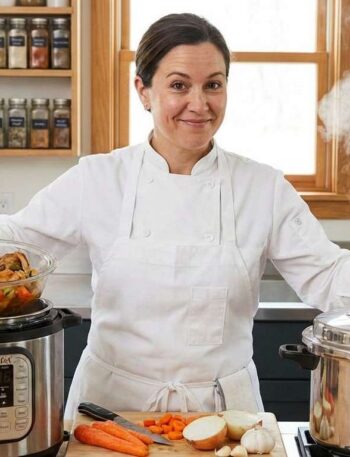
After spending over fifteen years working in professional kitchens and helping countless friends and family members set up their first homes, I’ve learned exactly what you need—and what you don’t. This comprehensive guide will walk you through everything required to build a functional, budget-friendly kitchen starter kit that will serve you well for years to come.
Why a Kitchen Starter Kit Matters
Your kitchen is the heart of your home. It’s where you’ll prepare daily meals, host friends, and create memories. Starting with the right tools means you won’t waste money on unnecessary gadgets or find yourself unable to cook basic meals.
According to the USDA’s food spending data, Americans who cook at home save thousands of dollars annually compared to those who frequently dine out. A well-equipped kitchen isn’t just convenient—it’s an investment in your health and wallet.
Essential Cookware: The Foundation of Your Kitchen
Pots and Pans You Actually Need
Let me be honest with you: those 20-piece cookware sets might look impressive, but you’ll realistically use only a handful of pieces. Here’s what belongs in your kitchen starter kit:
10-inch Stainless Steel Skillet: This is your workhorse pan. You’ll use it for everything from scrambling eggs to searing chicken breasts. Stainless steel heats evenly and lasts forever with proper care. Look for one with a thick bottom and comfortable handle.
12-inch Non-Stick Frying Pan: Perfect for delicate foods like fish, pancakes, and eggs. The non-stick coating makes cleanup effortless, especially when you’re tired after a long day. While these don’t last as long as stainless steel, they’re invaluable for everyday cooking.
3-Quart Saucepan with Lid: Ideal for making sauces, heating soups, cooking rice, and boiling vegetables. The lid is crucial—it speeds up cooking and helps retain moisture.
8-Quart Stock Pot with Lid: This large pot is essential for making pasta, soups, stocks, and cooking for groups. It’s also perfect for batch cooking meals for the week ahead.
Cast Iron Skillet (10 or 12-inch): This might seem old-fashioned, but cast iron is incredibly versatile. It goes from stovetop to oven, develops a natural non-stick surface over time, and will literally last generations. I still use my grandmother’s cast iron pan, and it performs better than the day she bought it.
Bakeware Basics
Even if you don’t consider yourself a baker, you’ll need these items:
9×13 inch Baking Dish: Glass or ceramic works perfectly for casseroles, roasted vegetables, and baked desserts. This single pan will handle countless recipes.
Two Rimmed Baking Sheets: Also called sheet pans or cookie sheets. Buy the heavy-duty aluminum ones—they won’t warp in high heat. You’ll use these for everything from roasting vegetables to baking cookies.
9-inch Cake Pan or 9×9 inch Square Pan: Great for brownies, cakes, and even savory dishes like cornbread.
Muffin Tin: A standard 12-cup muffin pan isn’t just for muffins. Use it for portion-controlled meals, mini meatloaves, or organizing small items while cooking.
Kitchen Knives: Quality Over Quantity
Here’s something many people get wrong: you don’t need a massive knife block taking up counter space. Professional chefs typically rely on just three or four knives. Here’s what you actually need:
8-inch Chef’s Knife: This is the most important tool in your kitchen. A quality chef’s knife will handle 90% of your cutting tasks—chopping vegetables, slicing meat, mincing herbs, and cutting fruit. Invest in a good one; it makes cooking safer and more enjoyable.
Paring Knife: This small knife (3-4 inches) is perfect for detailed work like peeling apples, deveining shrimp, or trimming vegetables.
Serrated Bread Knife: The long, saw-toothed blade cuts through bread without crushing it. It’s also excellent for slicing tomatoes and cutting cakes.
Kitchen Shears: While not technically a knife, good kitchen scissors are indispensable. Use them for opening packages, cutting herbs, trimming fat from meat, and dozens of other tasks.
Don’t forget a knife sharpener or honing steel. Even the best knives become dull with use, and a dull knife is actually more dangerous than a sharp one because it requires more pressure and is more likely to slip.
Cutting Boards and Prep Tools
Two Cutting Boards: Get one for raw meat and another for everything else to prevent cross-contamination. Plastic boards are dishwasher-safe and sanitary, while wooden boards are gentler on knife blades. I recommend having both.
Mixing Bowls Set: Get a nested set of stainless steel or glass bowls in various sizes. You’ll use these constantly for mixing, marinating, and serving.
Measuring Cups and Spoons: Buy one set for dry ingredients and one for liquids. Accurate measuring makes the difference between recipe success and failure, especially in baking.
Colander: Essential for draining pasta, washing vegetables, and rinsing canned goods.
Box Grater: The four-sided style gives you multiple grating options for cheese, vegetables, and more.
Essential Kitchen Utensils
These tools will help you cook efficiently without cluttering your drawers:
Wooden Spoons (2-3): They won’t scratch your cookware or conduct heat. Wood is also gentle on non-stick surfaces.
Silicone Spatula: Heat-resistant and flexible, perfect for scraping bowls and folding ingredients.
Metal Spatula/Turner: For flipping burgers, pancakes, and eggs.
Tongs: Think of these as an extension of your hand. They’re perfect for flipping meat, tossing salads, and serving pasta.
Whisk: Essential for making sauces, whipping eggs, and combining ingredients smoothly.
Ladle: You’ll need this for serving soups, stews, and sauces.
Can Opener: Don’t overlook this simple tool—a good manual can opener will last for years.
Vegetable Peeler: Makes quick work of potatoes, carrots, and other vegetables.
Meat Thermometer: This is crucial for food safety and cooking meat perfectly. According to FDA food safety guidelines, a thermometer is the only reliable way to ensure meat is cooked to safe temperatures.
Food Storage Solutions
Proper storage keeps your food fresh and your kitchen organized:
Food Storage Containers: Get a set with matching lids in various sizes. Glass containers are microwave and dishwasher-safe, though plastic is lighter and more affordable. Make sure lids seal tightly to prevent leaks and keep food fresh longer.
Plastic Wrap and Aluminum Foil: Basic necessities for covering dishes and wrapping leftovers.
Reusable Food Storage Bags: These eco-friendly alternatives to disposable bags work great for sandwiches, snacks, and storing produce.
Resealable Plastic Bags: Keep various sizes on hand for marinating meat, storing leftovers, and organizing small items.
Small Appliances Worth Having
While you don’t need every gadget, these appliances earn their counter space:
Coffee Maker or Electric Kettle: Depending on your caffeine preferences. If you’re a tea drinker, an electric kettle heats water faster than a stovetop.
Toaster or Toaster Oven: A toaster oven is more versatile since it can also reheat leftovers and bake small portions, but a basic toaster works fine if counter space is limited.
Blender: Great for smoothies, soups, sauces, and more. You don’t need an expensive high-powered model to start—a basic blender handles most tasks.
Hand Mixer or Stand Mixer: If you plan to do any baking, a hand mixer is affordable and stores easily. A stand mixer is a bigger investment but incredibly useful if you bake frequently.
Cleaning Supplies for Your Kitchen
A clean kitchen is a functional kitchen:
Dish Soap and Sponges: Get several sponges and replace them regularly to avoid bacteria buildup.
Dish Towels: Buy at least 4-6 so you always have clean ones available.
Paper Towels: While trying to reduce waste is admirable, paper towels are still the most hygienic option for certain tasks.
All-Purpose Cleaner: For wiping down counters, tables, and appliances.
Dish Rack or Drying Mat: Unless you have a dishwasher, you’ll need somewhere to dry hand-washed items.
Trash Bags: Buy the right size for your trash can and keep extras on hand.
Tableware and Dining Essentials
Dinnerware Set: Start with service for four or six. Simple white dishes are versatile and never go out of style.
Glassware: Get at least 4-6 each of water glasses and versatile stemless wine glasses or tumblers.
Flatware Set: A basic stainless steel set with forks, knives, and spoons for 4-6 people.
Serving Bowls and Platters: One or two large serving pieces will handle most needs.
Budget-Friendly Shopping Strategies
Setting up a kitchen doesn’t have to break the bank. Here’s how to get everything you need without overspending:
Prioritize Quality for Items You’ll Use Daily: Your chef’s knife, main skillet, and cutting board should be quality investments. These items last longer and perform better, making them worth the extra cost.
Go Budget-Friendly for Occasional-Use Items: That muffin tin you’ll use monthly doesn’t need to be top-of-the-line. Save your money for items you’ll use every day.
Shop Sales and Use Coupons: Stores like Bed Bath & Beyond, Williams Sonoma, and Target frequently offer significant discounts on kitchen items. Sign up for email lists to catch these deals.
Consider Secondhand for Certain Items: Thrift stores and estate sales often have excellent deals on cast iron cookware, bakeware, and small appliances. Cast iron, in particular, improves with age.
Buy in Stages: You don’t need everything on day one. Start with absolute essentials and add items as you discover what you actually need for your cooking style.
Read Reviews: Before buying, check reviews on sites like Amazon or Consumer Reports. Real user experiences help you avoid products that break quickly or don’t perform as advertised.
Organizing Your Kitchen Starter Kit
Having the right tools is only half the battle—organization makes cooking enjoyable:
Keep Frequently Used Items Accessible: Your everyday pans, utensils, and dishes should be easy to reach. Store seasonal or specialty items higher up or further back.
Group Similar Items Together: Keep all baking supplies in one area, pots and pans in another, and utensils near your prep space.
Use Drawer Dividers: Prevent utensil drawers from becoming chaotic junk drawers with simple organizers.
Store Knives Safely: Use a knife block, magnetic strip, or in-drawer organizer. Tossing sharp knives in a drawer is dangerous and damages the blades.
Utilize Vertical Space: Install hooks for hanging pots, pans, or utensils. This frees up cabinet space and keeps commonly used items within reach.
Building Skills Alongside Your Kitchen Kit
Having the right equipment matters, but knowing how to use it is equally important. As you build your kitchen, invest time in building basic cooking skills:
Master a Few Basic Recipes: Start simple—learn to make scrambled eggs, cook rice perfectly, roast vegetables, and prepare a basic protein. These fundamental techniques form the foundation for countless meals.
Understand Knife Skills: Learn proper chopping, dicing, and mincing techniques. Good knife skills make cooking faster, safer, and more enjoyable. YouTube has excellent free tutorials on basic knife techniques.
Learn to Season Properly: Salt, pepper, and a few basic spices transform ingredients into delicious meals. Don’t be afraid to taste and adjust as you cook.
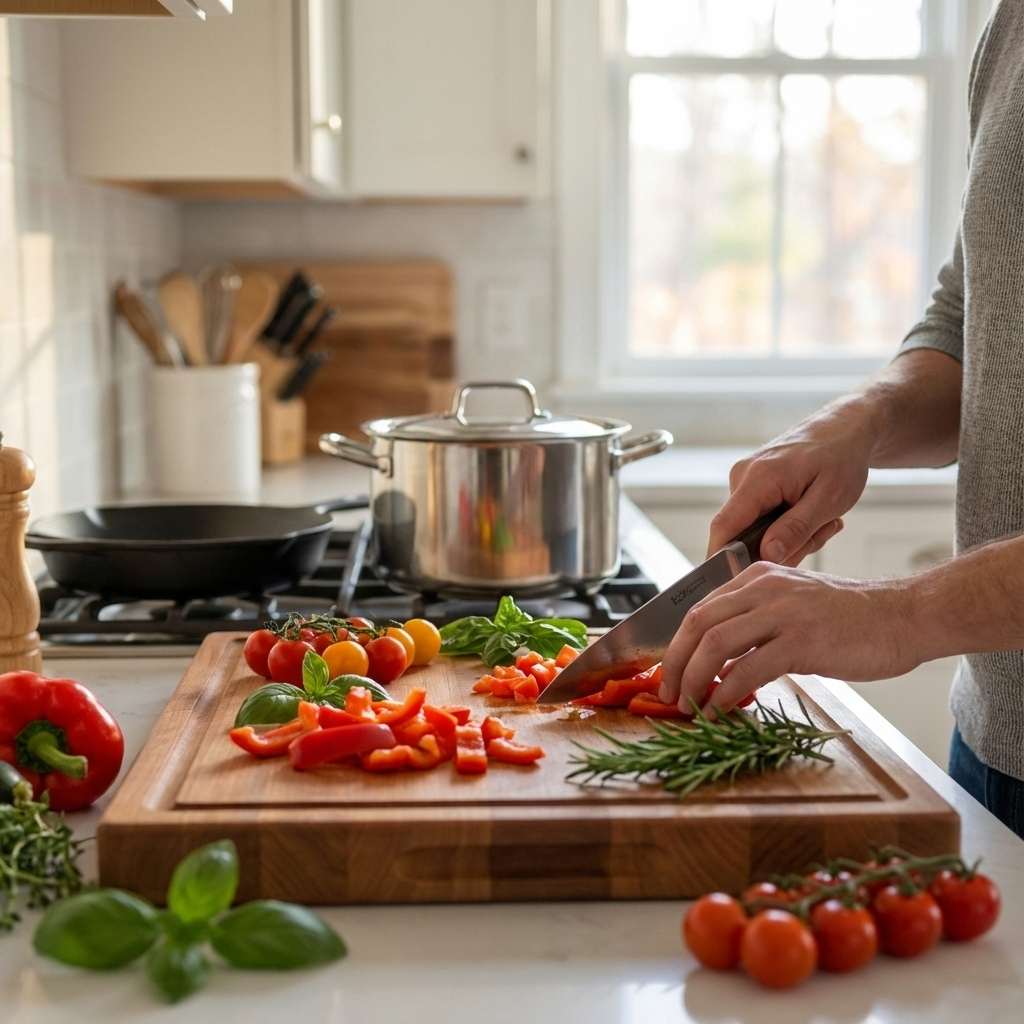
Practice Mise en Place: This French term means “everything in its place.” Before you start cooking, prep all your ingredients—chop vegetables, measure spices, and have everything ready. This makes cooking smoother and reduces stress.
Pantry Staples to Complement Your Kitchen Kit
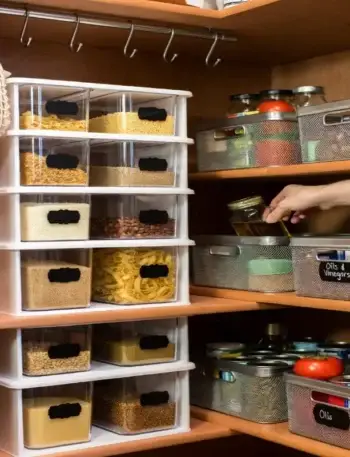
With your physical kitchen setup complete, stock your pantry with these basics:
Oils: Olive oil for dressings and low-heat cooking, vegetable or canola oil for high-heat cooking.
Vinegars: Balsamic and white vinegar cover most needs.
Basic Spices: Salt, black pepper, garlic powder, onion powder, paprika, and Italian seasoning get you started.
Flour and Sugar: All-purpose flour and granulated sugar are versatile staples.
Pasta and Rice: These shelf-stable carbohydrates form the base of countless quick meals.
Canned Goods: Tomatoes, beans, and broth provide quick meal solutions and add flavor to recipes.
Avoiding Common Kitchen Starter Mistakes
Through my years cooking and helping others, I’ve seen these mistakes repeatedly:
Buying Too Much Too Soon: That 50-piece knife set seems like a great deal, but you’ll realistically use only a few pieces. Start small and add items as you discover actual needs.
Ignoring Quality for Price: While being budget-conscious is smart, the cheapest option often costs more long-term when you have to replace it repeatedly. Balance affordability with durability.
Following Trends Over Practicality: Trendy gadgets look fun but often gather dust. Stick with proven, versatile tools that handle multiple tasks.
Neglecting Maintenance: Good tools last decades with proper care. Learn how to properly clean, dry, and store your kitchen items.
Not Considering Your Space: That giant stand mixer is wonderful, but if you live in a studio apartment, it might not be practical. Choose items that fit your actual living situation.
Sustainable Kitchen Choices
As you build your kitchen, consider these environmentally friendly options:
Choose Durable Over Disposable: Quality items that last years create less waste than cheap products you replace constantly.
Opt for Multi-Use Items: Tools that serve multiple purposes mean fewer items overall, reducing both clutter and resource consumption.
Select Sustainable Materials: Bamboo cutting boards, wooden utensils, and glass storage containers are more eco-friendly than plastic alternatives.
Start a Composting System: Even a small countertop compost bin reduces waste and can create nutrient-rich soil for plants.
Growing Your Kitchen Over Time
Your starter kit is just the beginning. As you cook more, you’ll naturally identify what additional items would make your life easier. Some popular second-tier items include:
- Slow cooker or Instant Pot for hands-off cooking
- Food processor for chopping and mixing large quantities
- Dutch oven for braising and bread-baking
- Additional specialized knives like a boning knife or cleaver
- Specialty bakeware for hobbies like bread-making or cake decorating
The key is letting your actual cooking experiences guide future purchases rather than buying items you think you should have.
Final Thoughts on Your Kitchen Journey
Setting up your first kitchen is a significant step in creating a home. The items I’ve outlined here represent essentials tested through years of real-world cooking—both in professional kitchens and home settings.
Remember, the goal isn’t to have the fanciest kitchen on the block. It’s to create a functional space that makes cooking enjoyable and accessible. Start with these basics, cook often, and let your growing experience guide what you add next.
Your kitchen will evolve as your cooking skills and interests develop. Some people discover a passion for baking and invest in specialized tools. Others focus on quick weeknight meals and prioritize efficiency. There’s no single “right” way to build your kitchen—only what works for your lifestyle, budget, and goals.
The most important ingredient in any kitchen isn’t a fancy gadget or expensive cookware—it’s the willingness to experiment, learn from mistakes, and enjoy the process. With your new kitchen starter kit, you’re ready to begin that delicious journey.
Happy cooking, and welcome home!