Hey there, fellow home cook! I’m Margaret, and after spending decades in bustling professional kitchens and teaching cooking classes, I know how crucial the best way to wash fresh vegetables is for safe, delicious meals. Whether you’re a busy parent, a beginner cook, or a food-loving enthusiast, proper washing isn’t just a step—it’s your first line of defense against hidden contaminants. Let’s dive into simple, expert-backed methods so you can eat confidently and happily.
Why Washing Vegetables Isn’t Optional (And What’s Really On Them)
Before we get to techniques, let’s talk why this matters. Vegetables are living things, and they absorb nutrients from the soil. Unfortunately, that soil can carry pesticides, bacteria (like E. coli and Salmonella), tiny insects, dirt, and even chemical residues from farming or storage. I’ve seen salads turn risky and stews spoil because of skipped washing steps.
A 2020 study from the USDA found that up to 40% of fresh produce samples contained detectable pesticide levels. Even organic veggies aren’t immune to natural contaminants like mold spores or sand. Proper cleaning isn’t about being paranoid—it’s about respect for your health and your family’s.
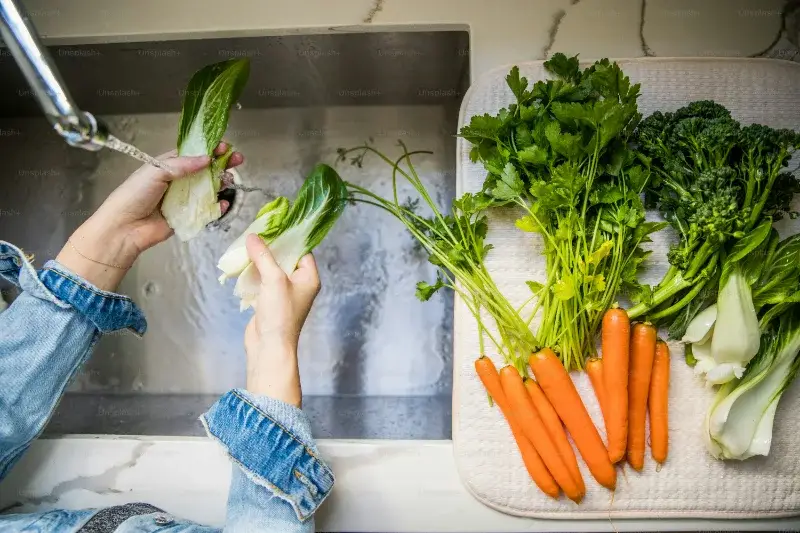
The Best Way to Wash Fresh Vegetables: A Step-by-Step Chef’s Method
Now, let’s break down the most effective, low-effort routine I use daily in my own kitchen. This works for everything from baby carrots to broccoli heads.
Step 1: Remove Outer Layers & Inspect Thoroughly
Start by inspecting each piece. For leafy greens (spinach, lettuce, kale), remove tough, outer leaves—they’re the most likely to hide grit and pests. For root veggies like potatoes or carrots, scrub away loose soil. If you spot any bruises, dents, or dark spots, cut them off before washing.
Pro Tip: Never wash before trimming! Washing early makes it harder to remove damaged parts, and you’ll just re-rinse later.
Step 2: Rinse Under Cool Running Water for 30 Seconds Minimum
The simplest method is often the best. Rinse vegetables under cool, running water for at least 30 seconds. Don’t just dunk them and lift them out—this doesn’t flush contaminants away. Let water flow over the entire surface.
- Leafy greens? Use a colander or bowl and run water gently over them for 1–2 minutes.
- Firm veggies (carrots, bell peppers)? Rinse all sides, focusing on crevices.
Step 3: Use a Vegetable Brush for Stubborn Soil
For firm produce covered in stubborn dirt (potatoes, sweet potatoes, rutabagas), a soft vegetable brush under running water works wonders. I keep one attached to my sink sprayer. Scrub gently—no harsh scrubbing needed.
Step 4: Sanitize with a Vinegar or Baking Soda Soak (Optional but Powerful)
This is where many home cooks fall short. A quick rinse isn’t enough for high-risk items like leafy greens or imported produce. Here’s my go-to sanitize soak:
- For most veggies: Fill a bowl with cold water + 1 tablespoon white vinegar. Soak for 5 minutes.
- For extra safety (or leafy greens): Use cold water + ½ teaspoon baking soda. Soak for 3–5 minutes.
After soaking, rinse again under running water for 30 seconds. This step is especially important if you’re preparing salads, baby food, or eating raw.
Why vinegar? Research from Food Safety Magazine shows acetic acid in vinegar effectively reduces bacterial load without harming nutrients.
Step 5: Dry Thoroughly (Don’t Skip This!)
Moisture is bacteria’s best friend. Toss greens in a salad spinner for 1–2 minutes. For harder veggies, pat dry with paper towels or use a clean kitchen towel. Store dried veggies in airtight containers or crates to keep them crisp.
Special Washing Techniques for Different Veggies
One size doesn’t fit all! Here’s how to handle specific types safely:
Leafy Greens: Spinach, Lettuce, Kale
These are pesticide and bacteria magnets. My method:
- Remove wilted outer leaves.
- Rinse under running water for 2 minutes.
- Soak in cold water + 1 tbsp vinegar for 5 minutes.
- Rinse again thoroughly.
- Spin dry.
Always use the “wash leafy greens safely” method before chopping.
Cruciferous Veggies: Broccoli, Cauliflower, Brussels Sprouts
Florets hide dirt in their tight clusters.
- Break apart small florets.
- Rinse each floret individually under water for 45 seconds.
- For extra care, use a soft brush on the stem ends.
Root Vegetables: Carrots, Potatoes, Beets
Peel if you’re serving raw (like baby carrots). For cooking:
- Scrub with a vegetable brush under running water.
- For deep cleaning, peel before rinsing.
- If you’ll peel later (for roasting), just scrub well.
Fruity Veggies: Tomatoes, Cucumbers, Peppers
These have thin skins that absorb residues easily.
- Rinse thoroughly, then wipe with a damp cloth dipped in diluted vinegar (1:4 ratio).
- Dry before slicing.
Delicate Greens: Arugula, Radishes, Microgreens
Treat these like jewelry!
- Place in a tall glass.
- Pour cold water + ½ tsp salt over them.
- Let sit for 10 minutes (salt draws out grit).
- Rinse gently in a colander.
Essential Tools for Perfect Vegetable Washing
As a chef, I’ve tested countless tools. Here’s what I recommend for home kitchens:
- Vegetable Brush: Inexpensive and indispensable for firm veggies. Look for soft, silicone bristles.
- Salad Spinner: A must for greens. Saves time and energy.
- Colander with Holes: Choose one with small holes to prevent small contaminants from slipping through.
- Bowl for Soaking: Stainless steel or glass—avoid plastic, which can retain odors.
Pro Tip: For remove pesticide residue from vegetables, a dual rinse (water + vinegar soak) is more effective than commercial washers.
Common Mistakes to Avoid
Even experienced cooks slip up. Don’t fall for these:
-
Mistake #1: Rinsing with Hot Water
Hot water can destroy nutrient value (like vitamin C) and isn’t more effective. Stick to cool water. -
Mistake #2: Using Clorox or Bleach Directly
Never spray bleach on produce—it’s unsafe and illegal in many countries. Vinegar or baking soda are food-safe alternatives. -
Mistake #3: Skipping the Final Rinse After Soaking
If you soak in vinegar or salt water, always rinse again to remove the cleaning agent. -
Mistake #4: Washing in Advance and Leaving Wet
Washed, wet veggies left out for hours become bacterial breeding grounds. Dry thoroughly and store promptly.
Storing Washed Vegetables for Maximum Freshness
Washing is just the beginning. Store smartly to keep nutrients intact:
- Leafy Greens: Dry-spin, then store in a crate or container with a paper towel (absorbs moisture) and a little air circulation. Refrigerate at 32–40°F.
- Root Veggies: Keep unwashed in a cool, dry, dark place (like a cellar or basement). Once washed, use within 2–3 days.
- Tomatoes: Store at room temperature—refrigeration ruins flavor. Wash just before using.
Learn the best vegetable washing techniques for each storage type to extend shelf life.
People Also Ask (FAQs)
1. Can I use a dishwasher to wash vegetables?
No. Dishwashers use high heat that damages nutrients, and water pressure isn’t designed for food safety. Hand-washing is always safer and better.
2. Is boiling water a good way to sanitize veggies?
Avoid boiling— it leaches vitamins and alters texture. A vinegar or baking soda soak is safer and nutrient-friendly for safe vegetable washing methods.
3. How often should I wash store-bought vegetables?
Always wash before eating, regardless of where they’re from. Even pre-washed greens need a quick rinse to remove storage gases or residue.
4. Can I reuse the water from washing vegetables?
Only if you used plain water and no additives. Water from vinegar or salt soaks should be discarded. Reused plain water makes a great compost starter!
5. What’s the quickest method for busy families?
For speed: rinse under running water for 30 seconds, then spin-dry greens. It takes under 2 minutes and is effective for most home meals.
The Final Word on the Best Way to Wash Fresh Vegetables
Washing vegetables isn’t glamorous, but it’s non-negotiable. As a chef who’s served thousands of meals, I can tell you that taking 5 minutes to clean properly pays off in flavor, safety, and peace of mind. Master these simple steps, invest in a few key tools, and you’ll turn every salad, stir-fry, and soup into a dish you can truly enjoy.
Remember: Clean veggies = happy tummy. Happy cooking!
References & Further Reading:
- For pesticide testing resources, visit the EPA’s Pesticide Information Center.
- Learn more about home food safety from the National Institute of Food and Agriculture.