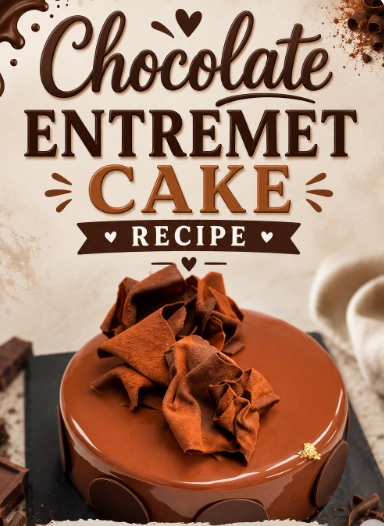
Welcome to my kitchen! If you love rich, decadent desserts, you’re in the right place. Entremet cakes are a show‑stopping way to impress family and friends, and today I’m going to walk you through every step of creating a beautiful, velvety chocolate entremet cake. In this article, I’ll share a chocolate entremet cake recipe that has been tested and perfected over hundreds of bakery openings. You’ll learn the history of this elegant dessert, the best chocolate to use, how to layer perfectly even slices, and how to store your creation so it stays fresh for days. Whether you’re a home baker or a professional chef, this guide will give you the confidence to serve a masterpiece that looks as good as it tastes.
About Chef Margaret-
My name is Margaret, and I’ve spent the last fifteen years working behind the scenes of some of the finest patisseries in the country. From tiny café kitchens to five‑star hotel banquet halls, I’ve mastered the art of layered desserts. I’ve taught countless baking classes, written for culinary magazines, and developed recipes that have won national awards. This chocolate entremet cake is one of my signature creations—easy to follow, but sophisticated enough for any special occasion.
What Is an Entremet?
An entremet is more than just a fancy word for “dessert.” In French pastry, an entremet refers to a small, elegant cake or pastry that sits between a main course and a palate cleanser. It’s often served as a “in‑between” course, hence the name. Traditional entremets are meticulously layered with cream, mousse, or custard, and they’re usually baked in individual portions or as a single large cake that’s sliced into precise layers.
The beauty of an entremet lies in its balance of textures and flavors. A well‑crafted entremet will have a moist, flavorful base, a silky middle, and a crisp or crunchy finish. For a chocolate entremet, the rich depth of cocoa pairs perfectly with light, airy mousses and a buttery crumb.
You May Check Amazon Best Deals on Air Fryers-
- Instant Pot Vortex Plus 6QT ClearCook Air Fryer
- Cosori 9-in-1 TurboBlaze Air Fryer 6 Qt, PFAS-Free Ceramic Coating, 90°–450°F
- Chefman Air Fryer 8 Qt | TurboFry® 4-in-1 with 450°F Hi-Fry Option for Crispier Results | Bake, Dehydrate, Frozen | XL Nonstick Dishwasher-Safe Basket | Stainless Steel
- Ninja Air Fryer with Air Crisp | 5 QT Capacity fits up to 4lbs of Fries | 4-in-1 Pro Air Fry, Roast, Reheat, Dehydrate
- Cuisinart Air Fryer, 6-Quart Basket Large Fryer with 5 Cooking Functions to Roast, Bake, Broil, Air Fry and Keep Warm, 5 Airfryer Presets, Dishwasher-Safe Parts, AIR-200NAS, Stainless Steel & Black
A Brief History of Entremet Cakes-
The concept of an entremet dates back to the 16th‑century French court, where chefs served elaborate “between‑courses” dishes to cleanse the palate. Over time, these courses evolved from savory to sweet, and by the 19th century, pastry chefs began creating small, decorative cakes that combined delicate flavors and artistry.
The modern chocolate entremet emerged in the mid‑20th century, when improved chocolate technology made high‑quality cocoa widely available. Bakers began layering chocolate mousse with sponge or genoise, creating the luxurious, multi‑textured dessert we know today.
In the past few decades, entremets have become a staple of wedding and celebration cakes, thanks to their visual appeal and customizable flavors. Chef Margaret’s version draws inspiration from classic French technique while using ingredients that are easy to find in any well‑stocked kitchen.
Why This Dessert Works So Well-
When you bite into a perfectly assembled chocolate entremet, three things happen at once: the crisp outer shell, the melt‑in‑your‑mouth mousse, and the moist, flavorful cake base. This trifecta of textures keeps every bite interesting. The rich cocoa flavor is balanced by the sweetness of the mousse and the subtle acidity of a raspberry coulis (optional).
One of the biggest advantages of this style of cake is its versatility. You can serve it as a single-tier cake for a romantic dinner, or as a multi‑tiered centerpiece for a wedding. The layers are forgiving—if you’re new to entremets, you can practice on a small batch before scaling up.
And, of course, the visual impact is unbeatable. Each slice reveals a neat, professional look that will make your guests think you spent hours in a professional kitchen.
Selecting the Right Chocolate-
The heart of any chocolate entremet is, well, the chocolate. Choose a high‑cocoa‑content bar—70 % cacao is a great balance of bitter and sweet. If you can, use a Belgian or French brand that offers a smooth, even melt.
For guidance on selecting the right type of cocoa, see King Arthur Baking’s article on chocolate. They explain the differences between Dutch‑processed, natural, and milk chocolate, and help you decide which works best for mousse and coating.
If you prefer a milder flavor, a 55 % chocolate bar works nicely, but keep in mind that it will add extra sweetness, so you may want to reduce the sugar in the mousse recipe slightly.
Equipment and Tools You’ll Need-
To make a flawless chocolate entremet, a few specialized tools make the process easier:
- 8‑inch round cake pans (at least two) – for baking the sponge layers.
- Offset spatula – for smoothing the mousse and ganache.
- Round piping tip – for creating neat edges on the mousse layers.
- Cooling racks – to let each layer set properly.
- Digital kitchen scale – for precise ingredient measurements.
- Mixing bowls and hand‑mixer – to achieve light, airy mousse.
Most of these items are affordable and will be useful for many other desserts, so consider them a worthwhile investment.
Ingredient List-
Below is the complete shopping list for Chef Margaret’s chocolate entremet cake. All quantities are for a single 8‑inch, 4‑layer cake that serves 12‑16 people.
Sponge Cake
- 1 ½ cups (190 g) cake flour
- 1 ¼ cups (250 g) granulated sugar
- ½ cup (115 g) unsalted butter, softened
- 4 large eggs, room temperature
- 1 tsp vanilla extract
- ½ tsp baking powder
- Pinch of salt
Chocolate Mousse
- ½ cup (115 g) heavy cream, cold
- ¼ cup (60 ml) milk
- ½ cup (90 g) high‑quality dark chocolate, chopped
- 2 tbsp granulated sugar
- 1 tsp unflavored gelatin powder
- 2 tbsp cold water
Chocolate Ganache (for coating)
- ½ cup (120 ml) heavy cream
- ¾ cup (135 g) chopped dark chocolate
Optional Raspberry Coulis (for serving)
- 1 cup fresh raspberries
- ¼ cup sugar
- 1 tbsp lemon juice
Step‑by‑Step Instructions-
1. Prepare the Sponge Cake
- Preheat the oven to 350 °F (175 °C). Grease two 8‑inch round cake pans and line the bottoms with parchment paper.
- Whisk the dry ingredients: In a medium bowl, combine the cake flour, baking powder, and salt. Set aside.
- Cream butter and sugar: In a large bowl, beat the softened butter and sugar together on medium speed until light and fluffy, about 3 minutes.
- Add eggs: Add the eggs one at a time, beating well after each addition. Stir in the vanilla extract.
- Combine dry and wet: Gradually add the dry ingredients to the butter‑egg mixture, mixing on low speed until just incorporated.
- Bake: Divide the batter evenly between the prepared pans. Bake for 22–25 minutes, or until a toothpick inserted in the center comes out clean.
- Cool: Let the cakes cool in the pans for 10 minutes, then invert onto cooling racks. Remove the parchment paper and let them cool completely.
2. Make the Chocolate Mousse
- Prepare the gelatin: Sprinkle the gelatin over the 2 tbsp of cold water in a small bowl. Let it sit for 5 minutes until it becomes a gel‑like substance.
- Melt the chocolate: Place the chopped dark chocolate in a heat‑proof bowl. In a small saucepan, heat the milk until it just begins to simmer. Pour the hot milk over the chocolate, let it sit for 30 seconds, then stir until smooth.
- Whip the cream: In a separate bowl, whip the cold heavy cream and sugar together until soft peaks form.
- Combine: Stir the gelatin mixture into the melted chocolate until fully dissolved. Gently fold the whipped cream into the chocolate mixture in three additions, being careful not to deflate the mousse.
- Chill: Transfer the mousse to a bowl and refrigerate for at least 2 hours, or until firmly set.
3. Create the Ganache Coating
- Heat the cream: In a small saucepan, bring the heavy cream to a simmer.
- Add chocolate: Place the chopped dark chocolate in a bowl. Pour the hot cream over it, let it sit for 30 seconds, then stir until glossy and smooth.
- Cool slightly: Allow the ganache to cool to room temperature; it should be thick enough to spread but still fluid.
4. Assemble the Entremet
- Trim the cakes: Using a round piping tip, trace around the edge of each cooled sponge layer and cut off any uneven edges. This creates clean circles for stacking.
- Place the first layer: Set one sponge layer on a serving plate. Lightly brush with a thin layer of ganache to act as an adhesive.
- Add mousse: Pipe a thick, even layer of chocolate mousse onto the sponge, covering the entire surface. Use the offset spatula to smooth it out.
- Repeat: Place the second sponge layer on top of the mousse, press gently to adhere, then repeat with another layer of mousse.
- Finish: Top with the final sponge layer. Spread a thin, decorative layer of ganache over the top and sides of the cake. For a polished look, run the back of the spatula around the edges to create clean lines.
5. Serve
- Chill: Refrigerate the assembled cake for at least 4 hours, or preferably overnight, to allow the flavors to meld and the layers to set.
- Slice: Use a sharp, clean knife (dipped in hot water and wiped dry) to cut neat slices.
- Optional: Drizzle a spoonful of raspberry coulis over each slice for a bright, fruity contrast.
Tips and Tricks for Perfect Layers-
- Work quickly when assembling – the mousse begins to set as soon as it’s exposed to air, so have all your tools ready.
- Use a template – place a cardboard cut‑out circle on top of each layer to keep the mousse even.
- Don’t over‑mix – when folding the whipped cream into the mousse, use gentle, sweeping motions to preserve airiness.
- Keep everything cold – refrigerate each layer after it’s set before adding the next. This prevents the mousse from sliding.
- Practice slicing – if you’re serving a large group, cut all slices ahead of time and keep them covered in the fridge.
Common Mistakes and How to Avoid Them-
| Mistake | Why It Happens | Solution |
|---|---|---|
| Mousse is too runny | Not enough gelatin or cream wasn’t whipped enough. | Use the exact gelatin amount and ensure the cream forms soft peaks before folding. |
| Cake layers stick to the pan | Pan wasn’t greased properly. | Always grease pans and line with parchment. |
| Ganache is too thin | Cream was overheated or chocolate wasn’t chopped finely. | Simmer cream just until it steams, and chop chocolate into small, even pieces. |
| Layers slide apart | Not enough adhesive ganache or mousse not set. | Spread a thin layer of ganache between each sponge and mousse, and chill each layer before stacking. |
| Cake looks uneven | Sponge layers weren’t trimmed uniformly. | Use a round piping tip to trace and cut clean circles before assembling. |
Storing, Freezing, and Serving Suggestions-
- Refrigeration: Keep the finished entremet in an airtight container in the refrigerator for up to 5 days.
- Freezing: For longer storage, freeze individual slices wrapped in plastic wrap and placed in a freezer‑safe bag for up to 2 months. Thaw in the fridge overnight before serving.
- Serving temperature: Bring the cake to the counter for about 30 minutes before serving for the best texture.
Remember to follow basic food‑safety rules; the FDA provides clear guidelines on handling perishable ingredients like cream and raw eggs.
Nutritional Information
Below is the approximate nutrition per serving (based on 16 slices). For detailed breakdowns, you can consult the USDA nutrition database.
| Nutrient | Amount per serving |
|---|---|
| Calories | 320 kcal |
| Total Fat | 16 g |
| Saturated Fat | 9 g |
| Cholesterol | 70 mg |
| Sodium | 85 mg |
| Total Carbohydrates | 38 g |
| Dietary Fiber | 2 g |
| Sugars | 22 g |
| Protein | 6 g |
Note: Values are approximate and may vary depending on the specific chocolate used and portion size.
Print This decadent chocolate entremet cake combines moist, butter‑rich sponge layers with luxurious dark‑chocolate mousse and a glossy ganache coating. Perfect for weddings, anniversaries, or any special occasion, the cake serves up to sixteen generous slices, each offering a perfect balance of crisp edge, airy mousse, and tender cake. The optional raspberry coulis adds a bright, fruity contrast that lifts the deep cocoa notes. Easy to assemble with clear, step‑by‑step instructions, this dessert is sure to become a signature finish for any home baker or professional chef Ingredients: Instructions: Chocolate Entremet Cake
Ingredients
Instructions
Notes
Storage Tips for Keeping Your Chocolate Entremet Cake Fresh & Delicious
A chocolate entremet cake is a masterpiece of layers, textures, and flavors—but its delicate components can lose their magic if not stored properly. Whether you’re saving leftovers or prepping the cake a day (or two) ahead of a celebration, follow these expert storage tips to keep every bite as fresh, moist, and elegant as the day you baked it.
1. Refrigeration: The Best Option for Short-Term Storage
Why refrigerate?
The mousse layers, ganache, and cream-based components are perishable. Refrigeration slows bacterial growth and helps the flavors meld beautifully.
How to store:
- Airtight is key: Place the assembled cake in an airtight container (like a lidded plastic tupperware or a cake storage box). If you don’t have a container, wrap the entire cake tightly in plastic cling film, ensuring no gaps.
- Stable temperature: Keep your fridge at or below 40 °F (4 °C). Avoid placing the cake near doors or vents where temperature fluctuations occur.
- Duration:
- Up to 5 days: This is the sweet spot. The cake will stay fresh, with the mousse firm and the sponge moist.
- Beyond 5 days: Texture may begin to degrade (mousse can become slightly icy; sponge can dry out). If you must keep it longer, freeze individual slices (see below).
Pro tip:
If you’re serving the cake within 2–3 days, refrigerate it upside-down on a plate. This prevents the ganache coating from sticking to the container lid.
2. Freezing: For Long-Term Storage (Up to 2 Months)
Why freeze?
Freezing locks in freshness and is ideal if you’re making the cake ahead of a special event (e.g., a wedding or holiday gathering).
How to freeze:
- Slice first (optional): For easier thawing, cut the cake into individual portions before freezing.
- Wrap tightly:
- Whole cake: Wrap the entire cake in plastic cling film, then place it in a freezer-safe bag or container.
- Slices: Wrap each slice in plastic cling film, then tuck them into a labeled freezer-safe bag.
- Label and date: Write the date and “thaw in fridge” instructions on the bag.
- Freeze: Place the packaged cake in the coldest part of your freezer (away from freezer burn zones).
Thawing instructions:
- Refrigerator thaw: Transfer the cake (whole or sliced) to the fridge 24 hours before serving. This slow thaw prevents texture loss.
- Room-temperature fix: If short on time, thaw slices at room temperature for 30–45 minutes, but keep them covered to avoid drying out.
Texture note:
Frozen mousse may lose a tiny bit of its airy fluffiness, but the flavor remains intact. Reapply a thin ganache drizzle before serving for a polished finish.
3. Room Temperature: Only for Short-Term Display
When to use:
- Serving day: Bring the chilled cake to room temperature 30–40 minutes before guests arrive. This softens the mousse slightly and enhances flavor complexity.
- Display: If the cake will sit out for a party (e.g., on a dessert table), keep it at cool room temperature (below 70 °F/21 °C) and serve within 2 hours.
Avoid:
- Leaving the cake uncovered at room temperature for extended periods (this can cause the ganache to melt and the mousse to weep).
- Humidity-heavy environments (e.g., near a humidifier or in a overly air-conditioned room), which can make the sponge soggy.
4. Special Tips for Each Component
Sponge Layers
- Store baked layers separately: If you’re prepping ahead, bake and cool the sponge layers, then wrap them tightly in plastic cling film. They’ll keep in the fridge for 3 days or frozen for 2 months.
- Revive dried sponge: If layers dry out, brush them lightly with simple syrup (equal parts sugar and water, warmed until dissolved) before assembling.
Chocolate Mousse
- Make ahead: Mousse can be prepared 2 days in advance and stored chilled in an airtight container. It firms up beautifully in the fridge.
- Don’t over-chill: Mushy or separated mousse often comes from prolonged freezing. Keep mousse refrigerated, not frozen, unless slicing the entire cake.
Ganache Coating
- Refresh if needed: If the ganache looks dull after refrigeration, thin it slightly with warm cream and drizzle a fresh layer before serving.
- Avoid heat: Never leave ganache-coated cake in direct sunlight or near a heater—it will melt and slide off!
Raspberry Coulis (Optional)
- Store separately: Keep coulis in an airtight container in the fridge for 5 days. Stir well before serving.
- Freeze coulis: Pour into ice cube trays and freeze for up to 3 months. Thaw in the fridge overnight for a quick drizzle.
5. Common Mistakes to Avoid
| Mistake | Why It’s Bad | How to Fix It |
|---|---|---|
| Leaving the cake uncovered in the fridge | Air exposure dries out the sponge and mousse. | Always use an airtight container or cling film. |
| Placing near fridge door | Temperature swings cause condensation and texture issues. | Store in the center of the fridge. |
| Freezing without wrapping | Freezer burn ruins the mousse and ganache. | Double-wrap in plastic and use a freezer-safe bag. |
| Thawing at room temperature too quickly | Rapid thawing creates ice crystals in the mousse. | Always thaw in the fridge overnight. |
| Skipping the ganache “refresh” | Old ganache looks dull and lacks shine. | Reheat and drizzle a thin layer before serving. |
6. Food Safety Reminders
- Raw eggs: The sponge uses raw eggs. Refrigerate promptly and consume within 5 days, or use pasteurized eggs to reduce risk.
- Cream and gelatin: Follow FDA food safety guidelines for handling perishable dairy and gelatin-based desserts.
- When in doubt, throw it out: If the cake smells off, has visible mold, or the mousse looks separated and grainy after thawing, discard it.
Frequently Asked Questions-
Can I use milk chocolate instead of dark chocolate?
Yes! Milk chocolate works well, but reduce added sugar in the mousse by about a tablespoon since milk chocolate is sweeter. Dark chocolate offers deeper flavor, but milk creates a richer, sweeter entremet. Always taste-test a small batch first to perfect the balance for your preferences.
How do I prevent the mousse from sinking or collapsing?
To avoid sinking, ensure your sponge layers are completely cool before assembling and chill each layer after adding mousse. Use enough ganache as an adhesive between layers. Overmixing the mousse or using too little gelatin can also cause collapse—fold gently and follow the gelatin instructions precisely.
Is gelatin really necessary for the mousse?
Gelatin helps the mousse set firmly, giving it a clean, sliceable texture. While you can use agar-agar as a vegan alternative, skipping it entirely will result in a looser, less stable layer. For the classic entremet look, gelatin is highly recommended—it ensures neat, professional slices every time.
What’s the best way to slice the entremet cleanly?
Use a sharp knife dipped in hot water, then wiped dry between cuts. For perfectly straight slices, run the blade under hot water again after each cut. Chilling the cake firmly in the fridge or freezer makes slicing easier. A serrated knife works well for gliding through layers without crushing them.
Can I use frozen berries for the raspberry coulis?
Yes! Thaw frozen berries overnight in the fridge, then drain excess liquid before mixing with sugar and lemon juice. Fresh berries offer brighter flavor, but frozen work in a pinch. For extra smoothness, strain the coulis through a sieve to remove pulp—perfect for drizzling over neat slices.
How do I fix uneven or wobbly layers?
If layers are uneven, trim them with a round piping tip for clean circles before assembling. For wobbly mousse, ensure your gelatin is fully dissolved and the cream is whipped to soft peaks. Chill each layer for at least 2 hours before stacking. A thin ganache layer between sponge and mousse adds stability.
Can I use store-bought sponge cake layers?
Absolutely! Store-bought sponge layers work well if they’re high quality and not too sweet. Look for plain vanilla or buttercake varieties. Bake your own for better control over flavor and moisture, but store-bought saves time. Just ensure layers are fresh and pair well with the rich chocolate mousse.
Can I add alcohol to the mousse for flavor?
Yes! A splash of rum, brandy, or Grand Marnier enhances complexity and balances sweetness. Use about 1–2 tablespoons per cup of mousse mixture and adjust sugar accordingly. Alcohol also helps preserve freshness. Keep the cake refrigerated, as alcohol can freeze in very cold conditions, altering texture.
What if I don’t have ganache for coating the cake?
If you’re short on ganache, use a simple chocolate glaze: melt chopped chocolate with a little heavy cream or butter and brush it over the top. Alternatively, dust the cake with cocoa powder or pour a thin layer of coulis over it for a polished finish. Both options add flavor and shine.
How can I make a smaller version for two people?
For a duo serving, use a 6-inch round pan and halve all ingredients. Bake smaller sponge layers (about ¾ cup batter each), make a single mousse layer, and assemble in a petite dish. Chill as usual. This scaled-down entremet maintains the classic texture and flavor without waste.
Conclusion
A chocolate entremet cake is more than a dessert—it’s a bite of artistry, a blend of textures, and a memory‑making centerpiece for any celebration. With careful ingredient selection, precise technique, and a little patience, you can create a show‑stopper that will have everyone asking for seconds.
So gather your tools, preheat that oven, and get ready to impress. Enjoy this chocolate entremet cake recipe, and let the layers of rich cocoa and silky mousse transport your guests to a culinary experience they’ll talk about for weeks.
Spice Up Your Chocolate Entremet Cake with Flavor Twists
If you’ve mastered the classic chocolate entremet cake, why not take it to the next level? With a few clever tweaks, you can turn this elegant dessert into a culinary adventure that surprises and delights. Below, Chef Margaret shares ten delicious flavor variations—each designed to complement the rich cocoa base while keeping the beloved texture and structure of your chocolate entremet cake.
1. Mint & Chocolate Entremet
Add a fresh, cooling twist by folding a handful of fresh mint leaves or a teaspoon of peppermint extract into the mousse. Mint cuts through the heaviness of dark chocolate, creating a crisp contrast. For extra flair, drizzle melted white chocolate mixed with crushed candy melts over the sliced cake. Learn more about mint-chocolate pairing.
2. Coffee-Infused Entremet
Espresso or strong brewed coffee intensifies the depth of dark chocolate. Stir 2–3 tbsp of cooled espresso into the melted chocolate before folding in the whipped cream. The result? A sophisticated, bittersweet mousse that coffee lovers will adore. If you need a good coffee guide, check out Perfect Brew’s coffee basics.
3. Raspberry & White Chocolate Layer
Swap half the dark chocolate mousse for a pink raspberry-white chocolate mousse. Blend pureed fresh raspberries with white chocolate and a touch of lemon zest. This fruity, creamy contrast makes each bite pop—perfect for spring weddings or summer dinners.
4. Salted Caramel Swirl
Drizzle a thin layer of homemade salted caramel sauce over each sponge before adding mousse. The sweet‑salty combo balances the bitterness of dark chocolate beautifully. For a restaurant‑quality caramel, try this easy salted caramel recipe.
5. Citrus-Zest Entremet
Add grated orange or lemon zest to both the sponge batter and the mousse for a bright, zesty lift. Citrus cuts through richness and adds a refreshing aroma. Pair with a light raspberry coulis for an extra burst of flavor.
6. Spiced Chocolate with Chili
Sprinkle a pinch of cayenne or chili powder into the mousse for a gentle heat that awakens the palate. This daring twist works wonders with a bold, medium‑roast dark chocolate. Serve with a dusting of cinnamon or smoked cocoa powder for a dramatic finish.
7. Peanut Butter & Chocolate Fusion
Fold a tablespoon of creamy peanut butter into the ganache coating for a classic Reese’s‑style finish. You can also add a thin peanut‑butter mousse layer between the chocolate mousse and sponge for extra texture.
8. Lavender & Honey Entremet
Add a teaspoon of culinary lavender buds to the whipped cream or sprinkle dried lavender over the cooled ganache. Pair with a drizzle of honey syrup for a floral, sweet contrast that elevates the chocolate entremet cake into a romantic centerpiece.
9. Matcha Green Tea Entremet
Blend a teaspoon of ceremonial-grade matcha powder into the melted chocolate for a delicate earthy note. The vibrant green color makes the cake visually stunning, while the matcha complements the bitterness of dark cocoa.
10. Caramelized Banana Layer
Spread a thin layer of caramelized banana slices over the sponge before adding mousse. The sweet, smoky flavor of bananas adds complexity and a gourmet touch to your chocolate entremet cake.
Why These Flavors Work
Each variation respects the core structure of a chocolate entremet cake while offering a new experience. Whether you choose a bold espresso kick, a fruity raspberry pop, or a soothing lavender drizzle, the layers remain perfectly balanced. Experiment with one flavor at a time, taste-test, and adjust sweetness to suit your crowd.
By rotating these ideas, you’ll keep your dessert menu fresh for holidays, birthdays, or everyday indulgence. Happy baking!