Hey there, fellow food lover! Margaret here, a chef with over 15 years of simmering, sautéing, and seasoning in professional and home kitchens. If you’ve ever stared into a cabinet wondering, “Why does this dish feel… blank?” – you’re not alone. I’ve coached countless home cooks (busy parents, beginners, and enthusiastic foodies alike) through this exact hurdle. The secret isn’t complicated recipes or fancy gadgets – it’s mastering a core collection of essential spices every kitchen should have. These humble bottles pack a punch, transform mundane ingredients, and unlock endless flavor possibilities without breaking the bank. Let’s build your pantry into a flavor powerhouse!
Why Spices Are Your Secret Ingredient
Think beyond salt and pepper for a moment. Spices are nature’s flavor engineers. They add depth, warmth, brightness, complexity, and that elusive “je ne sais quoi” to everything from weeknight pasta to Sunday roasts. They’re incredibly versatile – a pinch can elevate a simple tomato sauce or weave magic into a chocolate dessert. Beyond flavor, many spices offer health benefits, like anti-inflammatory properties or digestive aids. Plus, they’re budget-friendly pantry staples that pay dividends in taste every time you open your spice rack.
For busy families, spices are lifesavers. They turn a lonely pot of rice into a vibrant pilaf, rescue a bland stir-fry, or add excitement to leftovers. For beginners, they offer an approachable way to experiment – no complex techniques required, just a dash of this or a sprinkle of that. And for all of us, they bring joy and creativity to the cooking process. Ready to stock your kitchen with wisdom? Let’s dive into the must-haves.
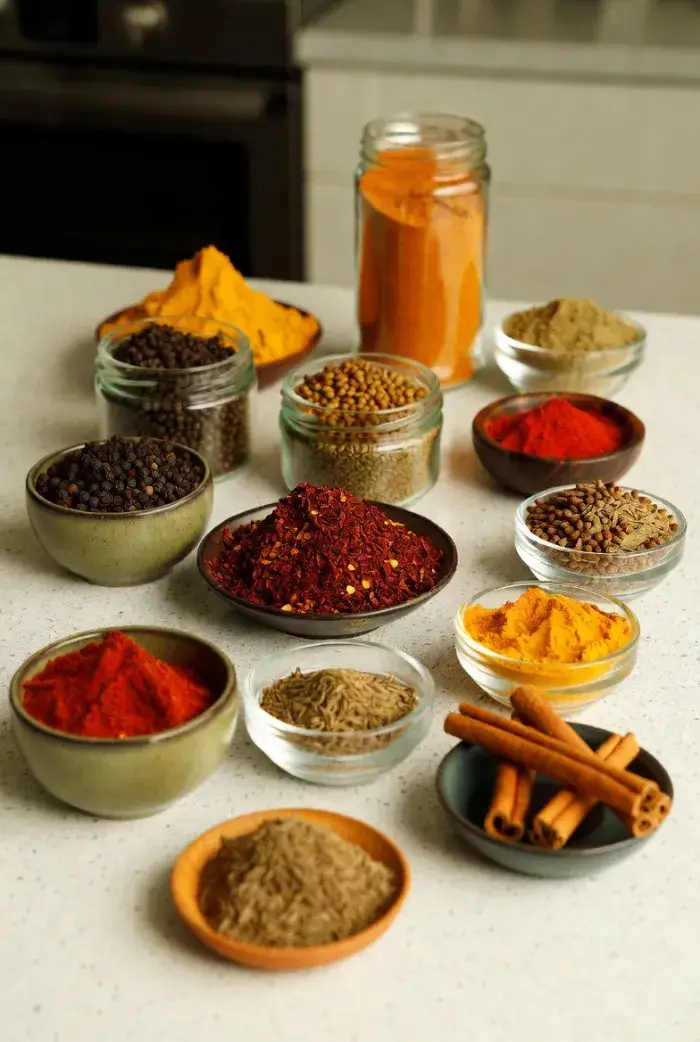
The Ultimate Pantry Spice Kit: 15 Essential Spices Every Kitchen Should Have
1. Sea Salt & Table Salt
Okay, let’s start with the basics! Salt is the foundation of flavor. Sea salt (coarse or fine) adds a complex, slightly briny note perfect for finishing dishes (like salads or roasted veggies). Table salt (fine grain) dissolves easily for seasoning during cooking. Don’t skimp! Proper salt selection is crucial – it’s one of the most impactful essential spices every kitchen should have. Store in a dry, cool place; humidity can clump it up. Pro Tip: Always taste your food before adding salt – ingredients like tomatoes or broths often have natural salinity.
2. Freshly Ground Black Pepper
Move over, pre-ground! Freshly ground black pepper offers bright, resinous notes that release instantly. The difference is night and day. Use a good quality pepper mill and grind right before eating. Black pepper contains piperine, which aids nutrient absorption. It’s a backbone for everything from steak to salads. (For deeper insight into pepper’s journey through history, check out this fascinating piece from the British Museum [1]).
3. Garlic Powder
Fresh garlic is glorious, but let’s be real – on busy nights, minced garlic can burn easily. Garlic powder offers concentrated, mellow garlic flavor without the risk of burning. It’s perfect for soups, sauces, rubs, and even chocolate desserts (yes, really!). It’s made by drying fresh cloves, locking in flavor compounds. Store in an airtight container away from light.
4. Onion Powder
Like garlic powder’s playful cousin, onion powder delivers sweet, savory depth without the moisture of fresh onions. It’s fantastic in meatloaf, barbecue sauce, dips, and baked goods. Use it sparingly – a little goes a long way. Avoid “onion salt” if you want pure flavor; it often has added MSG.
5. Sweet Paprika
This vibrant red powder comes from dried, sweetened red peppers. Sweet paprika adds warmth, color, and a subtle fruity sweetness to dishes. It’s essential for Hungarian goulash, Spanish paella, deviled eggs, and even smoky chorizo. For a deeper, smokier kick, explore smoked paprika – it’s worth having as a companion. Store in a cool, dark place to preserve its rich color and aroma.
6. Ground Cumin
The earthy, warm aroma of cumin is the soul of countless cuisines – think Mexican tacos, Middle Eastern falafel, Indian curries, and even Colombian arepas. It’s incredibly versatile and relatively inexpensive. Toast whole cumin seeds in oil for extra depth before grinding, or use pre-ground for speed. Buy in small quantities as it loses flavor over time. Did you know? Studies suggest cumin may support digestion – learn more about its potential benefits.
7. Dried Oregano
Dried oregano isn’t just for pizza! Its pungent, slightly bitter, and aromatic flavor shines in tomato-based sauces, Greek dishes (like moussaka), Mexican salsas, and even tomato soup. Mediterranean oregano is often preferred for its robust taste. Use generously – it’s potent! Store in a cool, dark cupboard; freshness matters for that classic aroma.
8. Dried Thyme
Fragrant, earthy, and slightly sweet, thyme is a backbone of French and Provençal cooking, but also fantastic in soups, stews, stuffings, and even with eggs. It pairs beautifully with rosemary and marjoram. Look for “French thyme” for a balanced flavor profile. Avoid large, stale bunches – buy small and enjoy the fragrance.
9. Dried Basil
Ah, the flavor of summer! Dried basil offers concentrated sweet, slightly bitter notes perfect for pesto, tomato sauces, pizza, and grilled meat rubs. It’s less delicate than fresh, so it’s ideal for cooking applications where fresh might wilt. Italian basil varieties are usually the most flavorful. Store away from heat and light.
10. Ground Cinnamon
Warm, sweet, and aromatic, cinnamon is more than just baked apples. It’s essential for Middle Eastern spice blends, Indian curries, North African tagines, chocolate desserts, and even savory dishes like lamb kebabs. Choose Ceylon cinnamon for its delicate complexity or Cassia cinnamon (more common, stronger) for robustness. A little goes a long way! (For a deeper dive into cinnamon’s role in ancient trade routes, the Smithsonian offers excellent resources .
11. Nutmeg (Whole & Ground)
The rich, sweet, slightly piney aroma of nutmeg is incredible in savory dishes (like sausages, stews, and vegetable purees) and desserts (puddings, spiced cakes). Always buy whole nutmeg and grate fresh – pre-ground loses potency quickly. A tiny pinch is powerful! Be cautious – too much can be bitter.
12. Cayenne Pepper
For those who like a kick! Cayenne pepper is pure, concentrated heat with a subtle fruity undertone. Use sparingly to add spice to chili, curries, soups, hot sauces, and even chocolate. It’s also believed to boost metabolism. Start with a pinch and adjust to your heat tolerance.
13. Dried Parsley Flakes
A classic finish! Parsley flakes add bright, herby freshness to soups, salads, potatoes, and omelets. They’re the dried, concentrated version of fresh flat-leaf parsley. Great as a final garnish for a touch of color and zing.
14. Bay Leaves
Those little leaves pack a big, fragrant, slightly bitter aroma. Bay leaves are essential for soups, stews, braises, tomato sauces, and stocks. Add them early in cooking and remove before serving. They’re a staple in French bouquet garni and Italian cooking.
15. Ground Coriander
The citrusy, slightly floral scent of coriander (both seeds and ground) is vital in Indian curries, Middle Eastern dishes, Mexican salsas, and pickling brines. It pairs beautifully with cumin. Toast whole seeds for extra depth before grinding, or use pre-ground for convenience.
Building Your Flavor Layers: How to Use Your Essential Spices
Knowing what to have is half the battle. Here’s how to wield them like a pro, regardless of your cooking skill level:
- Start Simple: Don’t overwhelm! Begin by adding one new spice at a time to a familiar dish. Sprinkle a pinch of paprika into your tomato sauce or add a dash of cumin to roasted veggies.
- Read Recipes Wisely: Many recipes already include these essential spices every kitchen should have. Don’t skip them! They’re often the reason a dish tastes “authentic.”
- Create Your Own Blends: Once comfortable, start experimenting! A basic “pantry blend” could be: 1 tbsp paprika, 1 tsp garlic powder, 1 tsp onion powder, 1 tsp dried oregano, ½ tsp cayenne. Use it in meats, soups, and dips.
- Finish with Freshness: Even with dried spices, finishing salts (like flaky sea salt) and freshly cracked pepper are your final flourish. They brighten any plate.
- Think Beyond the Bottle: Many spices shine in unexpected places. Try cinnamon in chili, nutmeg in green beans, or a tiny pinch of cayenne in chocolate chip cookies!
- Season at the End: For delicate herbs like parsley or thyme, add them right before serving to preserve freshness. For robust flavors like cumin or paprika, adding during cooking is fine.
Stocking Smart: Where & How to Buy
- Quality Over Quantity: Don’t buy massive containers of stale spices. Smaller quantities ensure freshness. Look for vibrant colors and no clumps or bites (in whole spices).
- Reputable Brands: Stick to brands you trust or have tried. Avoid suspiciously cheap options – they might be old or low-quality.
- Local Markets: Often have fresher, more aromatic spices than big-box stores.
- Specialty Stores: For harder-to-find varieties or specific types (like Ceylon cinnamon), specialty spice shops or online retailers (like Spice Jungle or Williams Sonoma) offer quality.
Preserving Spice Power: Storage Tips
Spices are living compounds that degrade over time. Proper storage is key to keeping them potent:
- Airtight Containers: This is non-negotiable. Opaque, glass or ceramic jars are ideal. Avoid flimsy plastic packets.
- Cool & Dry: Store in a cool, dark pantry or cupboard. Heat, light, and humidity destroy volatile oils – the essence of flavor. Never leave them near the stove or in direct sunlight.
- Organize: Use labeled containers and group similar spices together. A spice rack or drawer works well.
- Check Dates: While spices last a long time, freshness peaks within 6-12 months of purchase for whole spices, and 3-6 months for ground spices. If it smells flat, toss it!
- Avoid Metal: Metal containers can react with some spices, altering flavor.
Beyond the Basics: Spices to Explore (Once You’re Comfortable)
Mastering the core essential spices every kitchen should have gives you a solid foundation. From there, you can confidently explore:
- Smoked Paprika: Deep, smoky flavor for Spanish and barbecue dishes.
- Fresh Herbs: Basil, rosemary, thyme, tarragon – add vibrant, fresh notes.
- Chili Powders: Chipotle, ancho – for varied heat and smokiness.
- Turmeric: Vibrant yellow, anti-inflammatory properties, key for curries.
- Sichuan Pepper: Citrusy, numbing heat for Asian-inspired dishes.
- Za’atar: A Middle Eastern blend (thyme, sumac, sesame) for dips and flatbreads.
People Also Ask (FAQs)
Q: What are the absolute most essential spices to start with for a beginner?
A: Begin with sea salt, freshly ground black pepper, garlic powder, onion powder, and sweet paprika. These five cover saltiness, heat, sweetness, and savory depth for most dishes.
Q: Can I use fresh herbs instead of dried spices?
A: Absolutely! Fresh herbs add vibrant flavor, especially at the end of cooking. However, dried spices are more versatile for long-cooking dishes and pantry staples. Both have their place.
Q: How often should I replace my spices to keep them fresh?
A: Ground spices last 3-6 months; whole spices last up to 1-2 years. If the aroma is weak or the color fades, it’s time for a refresh. Trust your senses!
Q: Is it okay to buy pre-mixed spice blends?
A: Yes, they’re convenient! But knowing the essential spices every kitchen should have lets you tweak blends to your taste and understand what’s actually in them. Read labels!
Q: Do spices really have health benefits?
A: Many do! For example, turmeric contains curcumin (anti-inflammatory), cinnamon may help blood sugar, and cumin aids digestion. While they’re primarily for flavor, added benefits are a bonus.
Your Flavorful Future Starts Now
Stocking these essential spices every kitchen should have isn’t just about filling shelves – it’s about unlocking a world of flavor, transforming everyday meals into something memorable. As a chef who’s seen kitchens go from bland to brilliant with just a few well-chosen bottles, I can’t overstate the impact. These spices are your culinary alphabet – combine them confidently, taste as you go, and most importantly, have fun!
Don’t be intimidated. Start small, experiment gradually, and soon you’ll find your own signature touches. Your taste buds (and your family) will thank you. Happy seasoning!